No.62, Beiyihuan Yolu, Sanayi Bölgesi Zhangqi Kasabası Cixi Ningbo Çin.
Phone:+86-13777243189

ARAYIN VEYA E-POSTA GÖNDERİN
No.62, Beiyihuan Yolu, Sanayi Bölgesi Zhangqi Kasabası Cixi Ningbo Çin.
Phone:+86-13777243189
Hızlı Cevap: Çamaşır makinesindeki elde yıkama modu, çamaşırların elde yıkanmasının dikkatli, düşük çalkalama hareketini taklit eden özel, yumuşak bir programdır. Hassas kumaşları korumak için daha düşük su sıcaklıkları, daha yavaş tambur dönüşleri, daha kısa sıkma hızları ve daha uzun ıslatma süreleri kullanır; bu da onu "yalnızca elde yıkama" etiketli giysiler için en güvenli makine alternatifi haline getirir.
"Yalnızca elde yıkama" yazan bir bakım etiketine bakıp gerçekten lavabonun başında durup fırçalamanız gerekip gerekmediğini merak ettiyseniz, modern makinelerin çoğunun cevabı şudur: muhtemelen hayır. Bir çamaşır makinesinde elde yıkama modu nedir? çamaşır makinesi Bu, yeni cihaz sahipleri arasında en sık sorulan sorulardan biridir ve bunun iyi bir nedeni vardır. Bu döngü, standart bir yıkamanın sert tamburlama işlemi ile gerçek el yıkamanın özenli bakımı arasındaki boşluğu doldurur.
Markaya bağlı olarak bazen "Elde Yıkama", "Narin" veya "Nazik" olarak etiketlenen elde yıkama modu, hassas kumaşları minimum mekanik stresle temizlemek için tasarlanmış önceden programlanmış bir yıkama döngüsüdür. Tambur yavaş ve aralıklı olarak hareket ederek giysileri güçlü bir şekilde çalkalamak yerine ıslatır. Su sıcaklığı genellikle soğuk veya ılık olarak ayarlanır (yaklaşık 20°C–30°C / 68°F–86°F ) ve sıkma hızı büyük ölçüde azalır, genellikle 400–600 devir/dakika standartla karşılaştırıldığında 1000–1400 dev/dak normal döngülerde kullanılır.
Mod, daha çok yönlü evde çamaşır yıkama çözümlerine yönelik artan tüketici talebine yanıt olarak geliştirildi. Kumaş teknolojisi geliştikçe ve tüketiciler ipek bluzlar, kaşmir kazaklar, işlemeli trikolar, ince danteller gibi daha hassas giysilere sahip olmaya başladıkça, çamaşır makinesi üreticileri kumaş bütünlüğünden ödün vermeden giysi bakımını kolaylaştırmak için özel elde yıkama programları başlattı. Günümüzde neredeyse her orta sınıf ve birinci sınıf çamaşır makinesi bu özelliği standart bir seçenek olarak içermektedir.
Kısaca elde yıkama modu size çamaşır yıkama rahatlığını yaşatır. el çamaşır yıkama makinesi Bir lavaboda giysileri ovmak gibi fiziksel bir iş yapmanıza gerek kalmadan bisiklet sürün. Bu, elle yıkamayla aynı değildir, ancak gündelik hassas çamaşırların çoğu için oldukça yakındır ve makine tüm döngü boyunca kontrollü bir su sıcaklığı ve hareket düzeni sağladığı için genellikle daha tutarlı sonuçlar üretir.
Bu modu anlamak, düzenli olarak hassas giysiler giyen veya bu giysilere sahip olan herkes için çok önemlidir. Manuel olarak sahip olmanıza kıyasla size önemli ölçüde zaman ve emek tasarrufu sağlayabilir. çamaşırları elle yıkadım En sevdiğiniz giysilerinizin kalitesini ve ömrünü korurken.
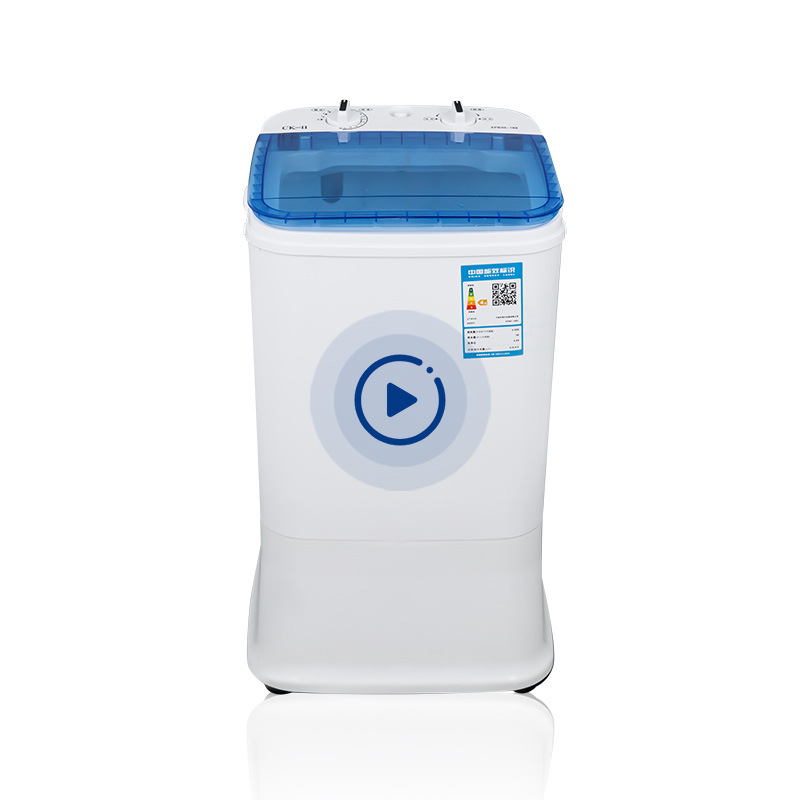
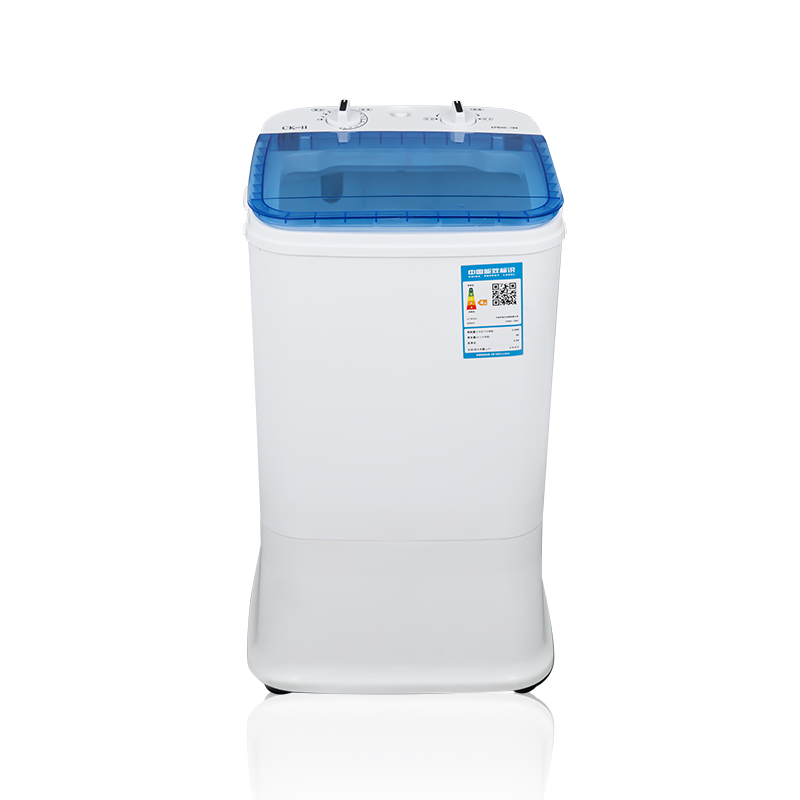
Bu döngünün arkasındaki mekaniği anlamak, bunun kırılgan tekstiller için neden bu kadar etkili olduğunu açıklamaya yardımcı olur. Standart pamuklu veya sentetik yıkamanın aksine, elde yıkama modu, su sıcaklığından tamburun çalkalanmasından sıkma hızı ve durulama süresine kadar yıkama işlemindeki neredeyse her değişkeni değiştirir. İşte her bileşene ayrıntılı bir bakış.
Çoğu el yıkama döngüsünde soğuktan ılık suya , tipik olarak 20°C ile 30°C (68°F–86°F) arasındadır. Sıcak su, liflerin (özellikle yün, ipek ve keten gibi doğal liflerin) büzülmesine, keçeleşmesine veya kalıcı olarak şekil kaybetmesine neden olur. Soğuk su elastikiyetini ve renk canlılığını korur. Bazı makineler sıcaklığı manuel olarak ayarlamanıza izin verir, ancak varsayılan ayar neredeyse her zaman daha soğuk taraftadır. Kaşmir veya elle boyanmış giysiler gibi özellikle hassas kumaşlar için her zaman mümkün olan en soğuk ayarı tercih edin.
Standart döngüler, çamaşırları sürekli, ritmik bir hızda çalkalar ve yıkama aşamasında sıklıkla 50-60 devir/dakika tambur hızına ulaşır. Elde yıkama modu ise aksine yavaş, aralıklı bir tambur kullanır; bazen kumaşların ıslanmasına izin vermek için 30 saniye ile birkaç dakika arasında duraklar. Bu, bir kişinin performans şeklini taklit eder el yıkama yıkama : Kuvvetli bir şekilde ovalamak yerine hafifçe çalkalama, ıslatma ve hafifçe sıkma. Tambur yıkama aşaması hızı genellikle 30–40 RPM döngünün içine yerleştirilmiş kasıtlı duraklamalarla. Bu duraklat ve ıslat yöntemi, sürekli mekanik hareket altında kalıcı olarak esneyebilen örgüler için özellikle faydalıdır.
Yıkandıktan sonra fazla suyun uzaklaştırılması için kıyafetlerin döndürülmesi gerekir. Hayırrmal bir döngüde bu, 1200-1400 devir/dakika'ye ulaşabilir; bu, hassas dokumaları deforme etmek, örme kumaşları şeklini bozmak veya ince liflerin boncuklanmasına veya kopmasına neden olmak için yeterli merkezkaç kuvvetidir. Elde yıkama modu bunu sınırlandırır 400–600 devir/dakika kumaş üzerindeki mekanik stresi önemli ölçüde azaltır. Bu, giysilerin normalden daha ıslak çıkacağı anlamına gelir, ancak bu tasarım gereğidir. Elde yıkanabilir çamaşır makinesi programların amacı kıyafetleri tamamen kurutmak değil, suyu nazikçe çıkarmaktır. Öğeler çıkarıldıktan hemen sonra elle yeniden şekillendirilmeli ve kuruması için temiz bir havlu üzerine düz bir şekilde serilmelidir.
Daha nazik hareketler kullanılmasına rağmen elde yıkama döngüleri mutlaka daha kısa değildir. Tipik bir elde yıkama programı şu süre boyunca çalışır: 30 ila 45 dakika tam pamuklu yıkama programı için 45-90 dakikaya kıyasla. İlave süre, kiri gevşetmek için daha uzun ıslatma süreleri ekleyerek ve deterjanın mekanik kuvvet olmadan elyaflara daha iyi nüfuz etmesini sağlayarak, daha az çalkalamayı telafi eder. Miele, Samsung veya LG gibi bazı birinci sınıf makineler, hassas kumaşların en iyi şekilde temizlenmesi için döngü ortasında 10-15 dakikaya kadar uzatılmış ıslatma aşamaları içerir.
Elde yıkama modu tipik olarak standart programlardan daha yüksek bir su/kumaş oranı kullanır. Daha fazla su, kumaşların birbirine aşırı sürtünmeden serbestçe hareket edebilmesi anlamına gelir, bu da sürtünmeden kaynaklanan hasarı azaltır. Durulama aşaması da daha yumuşaktır; lifleri zorlamadan deterjan kalıntısını çıkarmak için birden fazla düşük çalkalamalı durulama döngüsü kullanılır. Narin kumaşlarda kalan deterjan zamanla cildin tahriş olmasına ve kumaşın bozulmasına neden olabilir; bu nedenle, düşük sıkma hızlarında bile iyice durulama, bu modu bu kadar etkili kılan şeyin önemli bir parçasıdır.
| Parametre | Elde Yıkama Modu | Standart Pamuk Programı | Hızlı Yıkama Döngüsü |
|---|---|---|---|
| Su Sıcaklığı | 20°C – 30°C | 40°C – 60°C | 30°C – 40°C |
| Tambur Hızı (Yıkama Aşaması) | 30 – 40 devir/dakika | 50 – 60 RPM | 45 – 55 devir/dakika |
| Sıkma Hızı | 400 – 600 devir/dakika | 1000 – 1400 devir/dakika | 800 – 1000 devir/dakika |
| Döngü Süresi | 30 – 45 dakika | 45 – 90 dakika | 15 – 30 dakika |
| Ajitasyon Tarzı | Yavaş, aralıklı ıslatma | Sürekli, güçlü | Orta, sürekli |
| En İyisi | İpek, yün, kaşmir, dantel | Pamuk, keten, havlu, yatak takımı | Hafif kirli günlük giyim |
Bu muhtemelen modern evlerde en çok tartışılan çamaşır yıkama sorusudur: elde yıkanan çamaşırları makinede yıkayabilir miyim ? Dürüst cevap şudur: kumaş türüne, bakım etiketinin mantığına ve seçtiğiniz programa bağlıdır.
"Yalnızca elde yıkama" yazan bakım etiketleri, giysiyi en kötü çamaşır yıkama koşullarında (örneğin sıcak, yüksek sıkma, uzun yıkama) korumak için tasarlanmış üretici tavsiyeleridir. Bir makinenin öğeye dokunması durumunda bunlar her zaman anında imha uyarıları değildir. Uygulamada, "yalnızca elde yıkanan" giysilerin önemli bir kısmı, tüm doğru koşulların karşılanması koşuluyla, makinenin elde yıkama veya hassas programında güvenli bir şekilde hayatta kalabilir.
Pratik bir temel kural: Eğer kumaş, bozulmadan lavaboda nazikçe elde yıkanmaya dayanacak kadar sağlam hissediyorsa, muhtemelen uygun bir makinede elde yıkama döngüsünü gerçekleştirebilir. Elde yıkamak bile sizi tedirgin ediyorsa, makinede yıkamak - en hassas ayarda bile - riske atmaya değmez.
Makinenizin elde yıkama programından en iyi sonuçları elde etmek, doğru programı seçmekten daha fazlasını gerektirir. İşte tam bir izlenecek yol el yıkama nasıl yapılır Bu modu baştan sona etkili bir şekilde kullanın.
Deterjan seçimi, hassas çamaşır bakımında en çok gözden kaçırılan faktörlerden biridir. Yanlış ürünün kullanılması - doğru programda olsa bile - renk solmasına, lif bozulmasına, alerjik reaksiyonlara veya kalıntı oluşumuna neden olabilir. Doğruyu seçmek çamaşırları elde yıkamak için yumuşak sabun hem temizleme performansı hem de giysi ömrü açısından önemli bir fark yaratır.
| Ürün | En İyisi | Temel Avantaj | Makine Güvenli mi? |
|---|---|---|---|
| Yünlü Narinler | Yün, kaşmir, ipek | pH dengeli, enzim içermez | Evet |
| Çamaşırhane Hassas Yıkama | Tüm hassas ürünler, iç çamaşırları | Biyolojik olarak parçalanabilir, az köpüklü | Evet |
| Eucalan Yün Yıkama | Yün, triko | Durulama gerektirmeyen formül, lanolin eklendi | Yalnızca elde yıkama |
| Perwoll Renew Narinler | Sentetik, spor giyim, ipek | Fiber onarım teknolojisi | Evet |
| Ecover Narin Çamaşır Sıvısı | Karışık hassas ürünler, çevreye duyarlı kullanıcılar | Bitki bazlı, hipoalerjenik | Evet |
Asla standart ev tipi bulaşık sabunu veya kalıp sabunu, uygun sabunun yerine kullanmayın. çamaşırları elde yıkamak için yumuşak sabun . Bunlar, hızlı nokta temizliği için gerçek bir lavaboda elde yıkama senaryosunda işe yarasa da, makinelerin durulaması zor olan aşırı köpük üretirler ve zamanla cildi tahriş eden veya kumaşı bozan kalıntılar bırakabilirler.
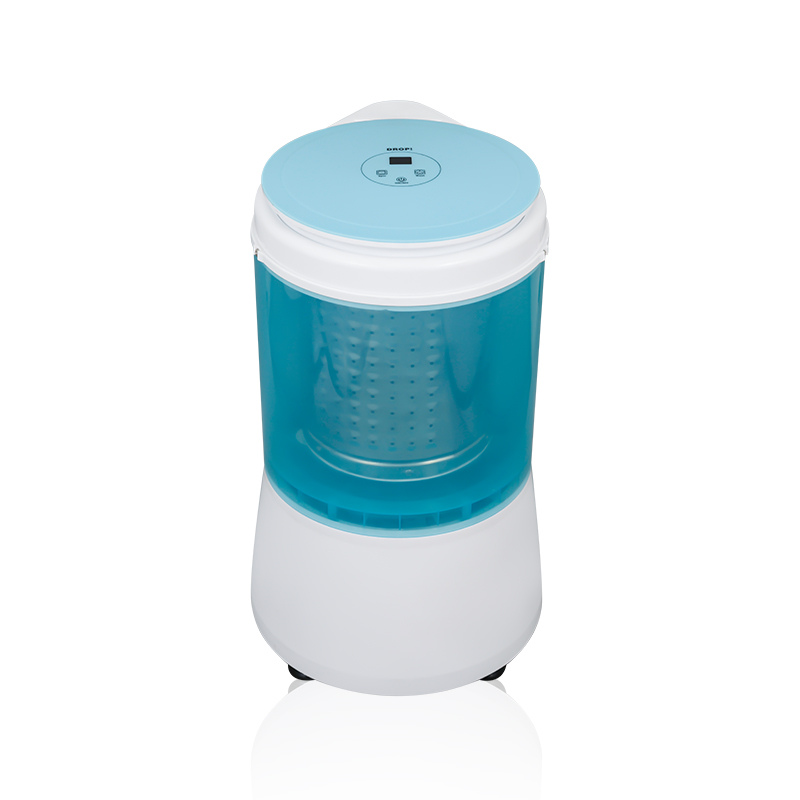
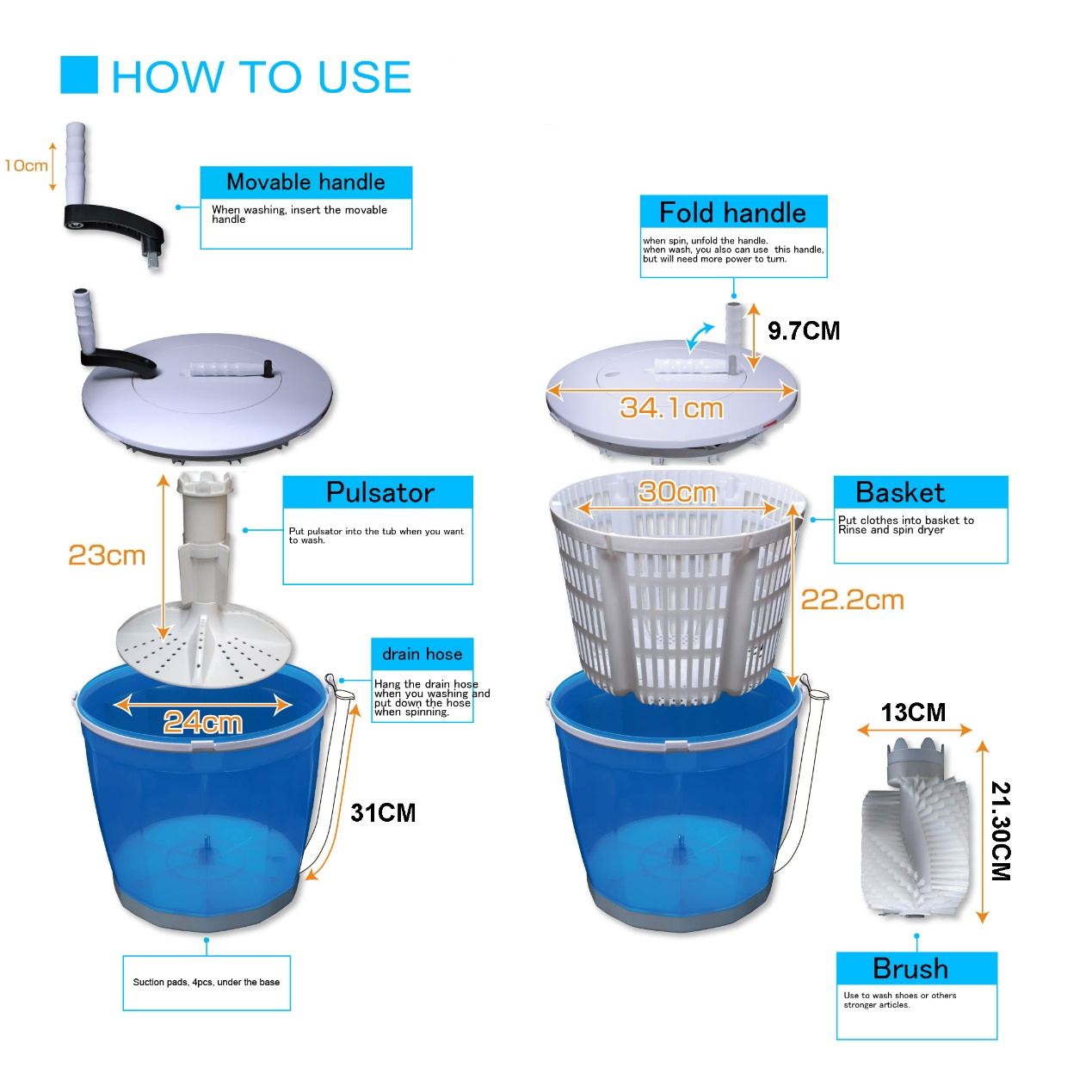
Tüm hassas kumaşlar makinede elde yıkama programlarına eşit şekilde yanıt vermez. Hangi malzemelerin en çok fayda sağladığını ve hangilerinin gerçek el yıkamayı gerektirdiğini anlamak, her çamaşır yıkama gününde bilinçli kararlar vermenize yardımcı olur. Bunlar elde yıkanabilir çamaşır makinesi hassas döngüye en iyi tepki veren kumaşlar.
Yün lifleri, ısıya ve sürtünmeye maruz kaldığında birbirine kenetlenen mikroskobik pullara sahiptir ve keçeleşmeye, yani kumaşın geri dönüşü olmayan bir şekilde büzülmesine ve yoğunlaşmasına neden olur. Uygun bir makinede elde yıkama programı Yün için güvenli bir deterjanla 30°C veya altı Çoğu yün kazak ve kaşmir giysiyi güvenle temizleyebilir. Hatta birçok modern makine, elde yıkama programları için yün bakımında uluslararası standartları karşıladıklarını garanti eden Woolmark sertifikasını taşıyor. Kaşmir standart yünden daha hassastır ve ideal olarak maksimum 20°C'de yıkanmalıdır.
İpek is a protein-based fiber that weakens when wet and is highly sensitive to both heat and mechanical agitation. Lighter-weight silks such as charmeuse and crepe de chine can be successfully washed on a machine hand wash cycle at 20°C–30°C, but heavier or more structured silks (dupioni, raw silk) are best reserved for true hand washing or dry cleaning. Always use a detergent specifically formulated for silk — regular detergents strip the natural sericin protein that gives silk its characteristic sheen and smooth drape.
Dantel ve karmaşık nakışlar takılmaya, bozulmaya ve iplik kopmasına karşı hassastır. Elde yıkama modunu kullanmadan önce bu eşyaları daima ince ağlı bir çamaşır torbasına (ideal olarak antika veya çok kırılgan parçalar için çift katmanlı bir torba) koyun. Bu, açık dokuma yapısının tamburlu karıştırıcılara veya diğer giysilere takılmasını önler. 20°C'de yıkayın ve mümkünse sıkma döngüsünü tamamen atlayın; bunun yerine, döngü bittikten sonra fazla suyu elle hafifçe bastırın.
Sütyenler, iç çamaşırları ve mayolar genellikle sıcak su veya yüksek sıkma döngülerinde hızla bozulan elastik bileşenler, balen ve likra veya spandeks karışımları içerir. Makinede elde yıkama modu, file torbalarda olmaları ve uygun sıcaklıkta yıkanmaları koşuluyla, bu eşyalar için idealdir. Maksimum 30°C . Yüksek dönüş hızları sütyenlerdeki balen kanallarına da zarar vererek telin kılıf kumaşını delmesine neden olabilir. Tüm balenli öğeler için 400 devir/dakika'lik bir dönüş hızı sınırı şiddetle tavsiye edilir.
İnce örgüler (pamuk, viskon, modal veya sentetik karışımlardan yapılmış olsun) ıslandığında esnemeye eğilimlidir. Elde yıkama modunun aralıklı, düşük çalkalama hareketi, kumaşın tekrar tekrar tambura doğru sürüklenmesi yerine suda serbestçe yüzmesini sağlar. Bu, giysinin uzunluğunun artması veya orijinal şeklini kaybetme riskini önemli ölçüde azaltır. Trikoları daima makineden çıkardıktan hemen sonra, lifler çarpık bir pozisyonda kurumaya başlamadan önce yeniden şekillendirin.
kullanımı arasındaki tartışma el çamaşır yıkama makinesi döngüye karşı gerçekten çamaşırları elle yıkadım mesele sadece rahatlık değil; karar vermeden önce anlamaya değer gerçek performans farklılıkları da var.
Çoğu pratik amaç için, iyi yürütülen bir makinede elde yıkama döngüsü, günlük hassas çamaşırlar için elde yıkamadan ayırt edilemeyen ve çoğunlukla bundan daha tutarlı sonuçlar sağlar. Herhangi bir mekanik riskin kabul edilemez olduğu en değerli, yeri doldurulamaz veya son derece kırılgan giysileriniz için gerçek el yıkamayı ayırın.
Makinede yıkamanın gerçekten uygun olmadığı durumlarda doğru yöntemi anlamak el yıkama nasıl yapılır tekniği, manuel çabalarınızın mümkün olduğunca etkili ve yumuşak olmasını sağlar. İşte düzgün bir şekilde sahip olmak için adım adım sürecin tamamı çamaşırları elle yıkadım .
Doğru program seçilse bile çamaşır hataları, giysilerin hasar görmesine veya kötü temizlenmesine neden olabilir. Bunlar insanların makinelerini kullanırken en sık yaptıkları hatalardır. el yıkama yıkama program — ve her birinden nasıl kaçınılacağı.
Elde yıkama modunun uygulanması, hem isim hem de teknik özellikler açısından üreticiler arasında farklılık gösterir. Bu döngünün belirli makine versiyonunun nasıl çalıştığını anlamak, giysileriniz için sonuçları optimize etmenize yardımcı olabilir. Birçok büyük markanın kendi yaklaşımlarına şu şekilde yaklaşıyoruz: elde yıkanabilir çamaşır makinesi programlar.
| Marka | Döngü Adı | Varsayılan Sıcaklık | Maksimum Sıkma Hızı | Önemli Özellik |
|---|---|---|---|---|
| Miele | Elde Yıkama / İpek | 30°C | 600 RPM | Woolmark sertifikalı; petek yapılı tambur temas sürtünmesini azaltır |
| Samsung | Narinler / Elde Yıkama | Soğuk | 400 RPM | Pürüzsüz, düşük etkili su hareketi için Wobble teknolojisi |
| LG | Elde Yıkama / Narin | Soğuk / 30°C | 400 RPM | 6 Motion teknolojisi altı el yıkama hareketini taklit eder |
| Bosch'un | Elde Yıkama / Yünlüler | 30°C | 600 RPM | Titreşim önleyici tambur; Woolmark seçili modellerde onaylandı |
| Jakuzi | Narinler | Soğuk | 500 devir/dakika | 6th Sense teknolojisi yıkama değişkenlerini yük ağırlığına göre otomatik olarak ayarlar |
Elde yıkama programının spesifik özellikleri için daima makinenizin kullanım kılavuzuna bakın. Bunlar, aynı markanın farklı modelleri arasında bile önemli ölçüde farklılık gösterebilir ve tam sıkma hızı sınırını ve sıcaklık aralığını bilmek, her bir giysi için makinede mi yoksa elde yıkamanın mı daha uygun seçim olduğuna karar vermenize yardımcı olur.
Çevreye duyarlı tüketiciler için, farklı çamaşır yıkama yöntemlerinin göreceli kaynak tüketimine dikkat etmek önemlidir. Standart bir çamaşır makinesi döngüsü yaklaşık olarak 40–70 litre su . Daha küçük yükler için tasarlanan modern el yıkama programları genellikle 20–40 litre — yılda yüzlerce yıkamaya ölçeklendiğinde anlamlı bir azalma.
Tek bir giysiyi elde yıkamak için gerçek kullanım kabaca kullanılır 5–10 litre dolu bir havuzda verimli bir şekilde yapılırsa (akan su altında değil). Ancak birçok kişi durulama sırasında musluğu açık bırakır, bu da su tüketimini artırabilir. Giysi başına 40–60 litre - ironik bir şekilde, birden fazla öğeyi yıkarken makine döngüsünden daha az verimli hale geliyor.
Elde yıkama modunda kullanılan daha düşük sıcaklık (standart programlarda 40°C-60°C'ye karşı 20°C–30°C) aynı zamanda enerji tüketiminin de önemli ölçüde azalması anlamına gelir. Çamaşır makinesinin enerji kullanımının %90'ına kadar suyu ısıtmaya yöneldiğinden, daha düşük yıkama sıcaklıklarını seçmek, herhangi bir evin çamaşır yıkama rutininde yapabileceği en etkili enerji tasarrufu seçimlerinden biridir.
Yaygın giysi türleri ve bakım durumları için en iyi yıkama yöntemini hızlı bir şekilde belirlemek için bu kısa tabloyu kullanın.
| Giysi / Durum | Makinede Elde Yıkama Modu | Gerçek El Yıkama | Yalnızca Kuru Temizleme |
|---|---|---|---|
| Yün kazak (makinede yıkanabilir etiketi) | Önerilen | Ayrıca iyi | Hayır |
| Kaşmir kazak | Özenle | Tercih edilen | İsteğe bağlı |
| İpek blouse (lightweight) | Soğuk only | Tercih edilen | İsteğe bağlı |
| Yapılandırılmış blazer / kişiye özel ceket | Hayır | Hayır | Gerekli |
| Dantel iç çamaşırı / sütyen | Örgü çantada | En iyi seçenek | Hayır |
| Mayo / likra karışımları | Soğuk, low spin | iyi | Hayır |
| Boncuklu / ağır süslenmiş giysi | Takılma riski | Eğer çok dikkatliyse | En güvenli seçenek |
| Vintage veya antika tekstil | Hayır | Son derece dikkatli bir şekilde | Önerilen |
Çamaşır makinesindeki elde yıkama modu, modern çamaşırhane cihazlarında en az kullanılan ancak en değerli özelliklerden biridir. Hassas giysilerin büyük çoğunluğu için gerçek elde yıkamanın dikkatli, düşük etkili hareketini etkili bir şekilde taklit ederek, kumaş kalitesinden veya giysinin ömründen ödün vermeden önemli ölçüde zaman ve emek tasarrufu sağlar.
Hatırlanması gereken temel ilkeler basittir: soğuk su kullanın, doğru yumuşak deterjanı seçin, çamaşırları ağ çamaşır torbalarına koyun, tamburu asla aşırı yüklemeyin, sıkma hızını 400-600 RPM ile sınırlayın ve döngü bittikten hemen sonra daima düz bir şekilde havayla kurutun. Bunları tutarlı bir şekilde uyguladığınızda makinenizin elde yıkama programı ipek, yün, dantel, ince triko veya narin iç çamaşırları gibi en sevdiğiniz giysilerinizin ömrünü güvenilir bir şekilde uzatacaktır.
Ve bir giysinin herhangi bir makine için gerçekten çok kırılgan veya çok değerli olduğu durumlarda, yukarıda belirtilen uygun tekniği kullanarak elde yıkamaya zaman ayırın. Doğru yumuşak sabun, doğru su sıcaklığı ve nazik kullanımla el yıkama, en yeri doldurulamaz tekstil yatırımlarınız için altın standart olmaya devam ediyor.
 No.62, Beiyihuan Yolu, Sanayi Bölgesi Zhangqi Kasabası Cixi Ningbo Çin.
 13777243189
 +86-13777243189
 +86-0574-63809239
Copyright © Ningbo Changle Elektrikli Aletler Co., Ltd. All Rights Reserved.